




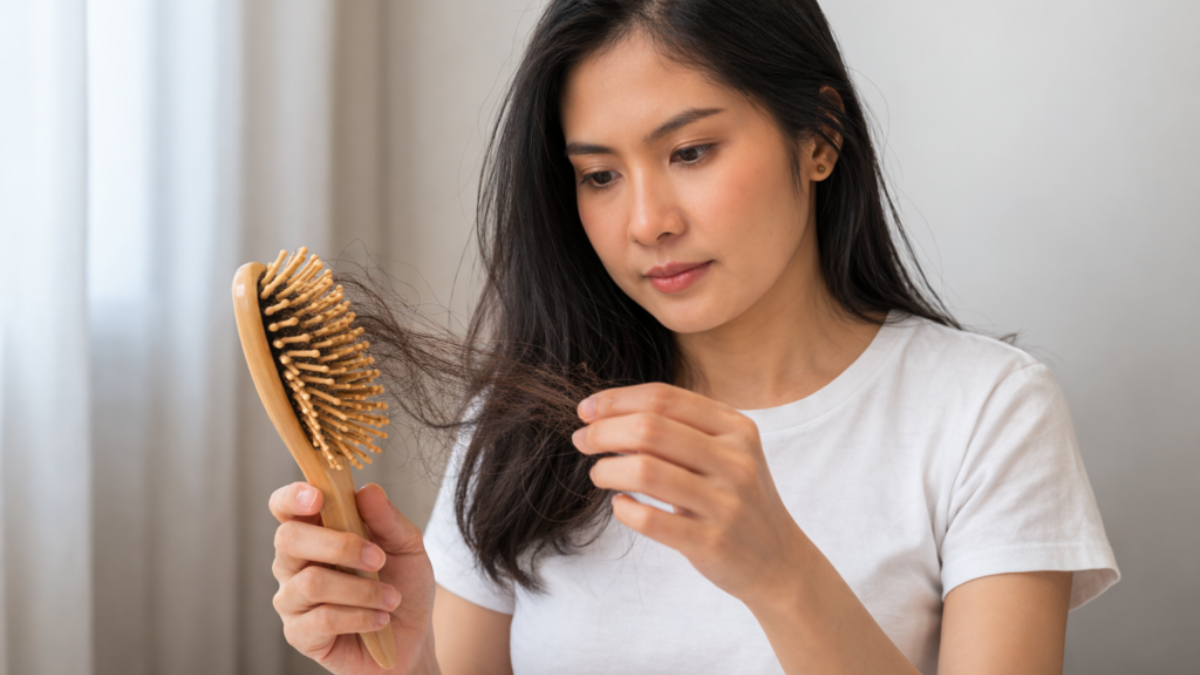
Hair fall is one of the most common beauty and health concerns faced by people of all ages. While losing a small amount of hair every day is a natural part of the hair growth cycle, excessive hair shedding can be alarming. Many people spend money on expensive shampoos, oils, and treatments without realizing that their daily hair care habits may be the real culprit behind the problem.
From overwashing to excessive heat styling, several common mistakes can weaken hair roots and damage strands over time. Understanding these mistakes can help you maintain healthier, stronger, and fuller hair. In this blog, we will discuss the most common hair care mistakes that contribute to hair fall and how you can avoid them.
Understanding Hair Fall and Its Causes
Before discussing hair care mistakes, it is important to understand that hair fall can occur due to multiple reasons. Factors such as genetics, hormonal imbalances, nutritional deficiencies, stress, pollution, and certain medical conditions can all contribute to hair loss. However, poor hair care practices often worsen the problem and accelerate hair thinning.
Healthy hair requires proper nourishment, gentle handling, and protection from damage. When hair is exposed to constant stress, chemicals, and harsh treatments, it becomes weak and prone to breakage. By correcting your hair care routine, you can significantly reduce unnecessary hair fall and improve overall hair health.

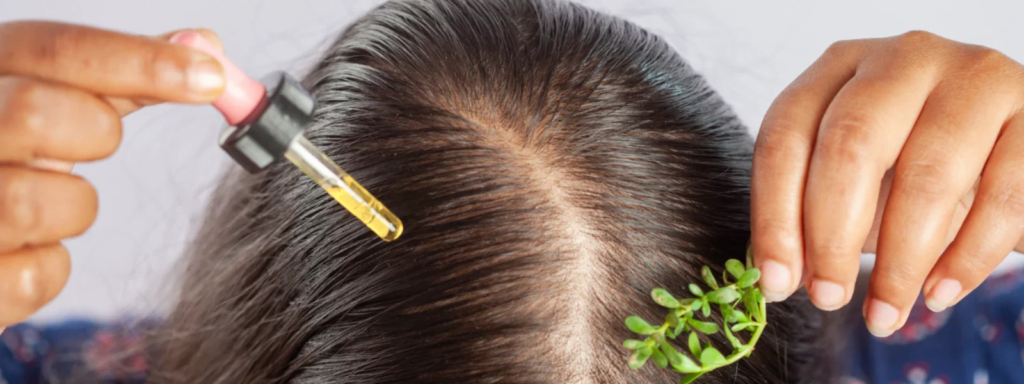
Hair Fall Mistake #1: Washing Hair Too Frequently
Many people believe that washing their hair every day keeps it healthy and clean. However, excessive washing can strip the scalp of its natural oils, leading to dryness and irritation.
Natural oils produced by the scalp help protect hair strands and keep them moisturized. When these oils are removed too often, the scalp may become dry, causing hair to become brittle and more susceptible to breakage.
What You Should Do
- Wash your hair according to your hair type.
- People with oily hair may wash every other day.
- Those with dry hair may only need to wash two to three times a week.
- Use a mild, sulfate-free shampoo whenever possible.
Hair Fall Mistake #2: Using Hot Water for Hair Wash
A hot shower may feel relaxing, but hot water can damage both your scalp and hair. Excessively hot water removes natural moisture from the hair strands, making them dry and weak.
Dry hair tends to break more easily, which many people mistakenly identify as hair fall. Additionally, hot water can irritate the scalp and affect its natural balance.
Better Alternative
Use lukewarm or cool water while washing your hair. Cool water helps seal the hair cuticle, making hair appear smoother and shinier.
Hair Fall Mistake #3: Aggressively Towel Drying Hair
Wet hair is more fragile than dry hair. Rubbing your hair vigorously with a towel creates friction that weakens hair strands and causes breakage.
Many people unknowingly damage their hair immediately after washing by twisting and rubbing it roughly.
What to Do Instead
- Gently squeeze excess water from your hair.
- Use a soft microfiber towel or cotton T-shirt.
- Pat your hair dry rather than rubbing it.
This simple change can significantly reduce unnecessary hair damage.

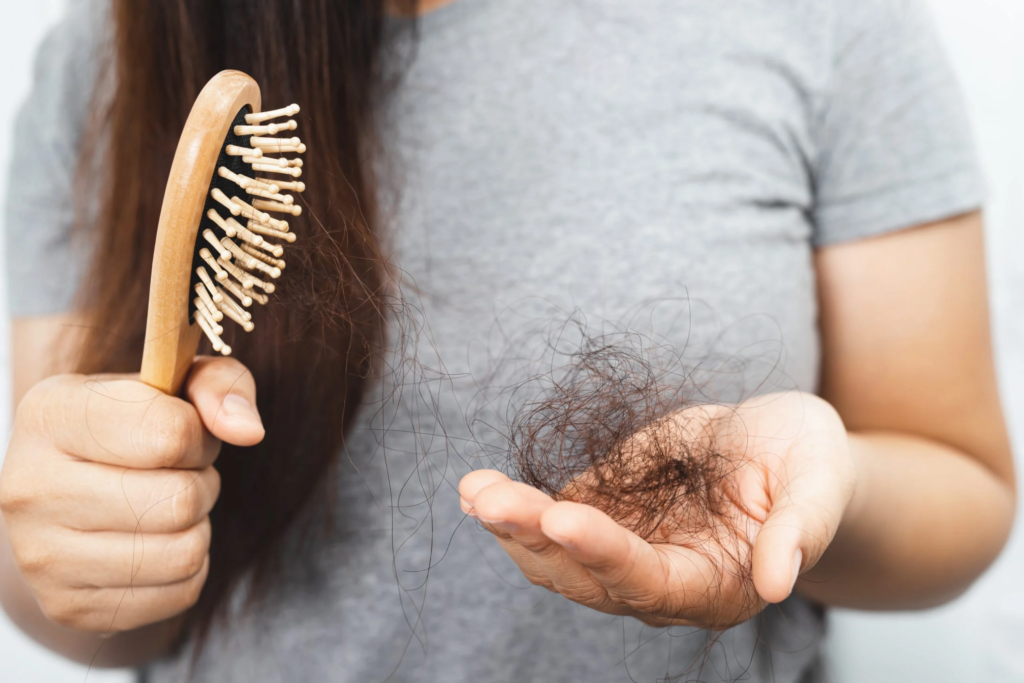
Hair Fall Mistake #4: Frequent Use of Heat Styling Tools
Straighteners, curling irons, and blow dryers have become an essential part of modern beauty routines. However, excessive heat exposure can severely damage hair.
High temperatures weaken the protein structure of hair, causing dryness, split ends, and breakage. Over time, frequent heat styling can make hair appear thinner and less healthy.
Protect Your Hair
- Limit heat styling whenever possible.
- Always use a heat protectant spray.
- Choose lower temperature settings.
- Allow your hair to air dry occasionally.
Reducing heat exposure can help minimize hair fall caused by breakage.
Hair Fall Mistake #5: Tight Hairstyles That Pull Hair Roots
Many fashionable hairstyles such as tight ponytails, buns, and braids place excessive tension on hair follicles.
Constant pulling can result in a condition called traction alopecia, which causes gradual hair loss around the hairline and temples.
Safer Styling Tips
- Avoid wearing tight hairstyles every day.
- Use soft hair ties instead of rubber bands.
- Alternate between different hairstyles to reduce stress on specific areas of the scalp.
Giving your hair regular breaks can help protect your follicles from damage.
Hair Fall Mistake #6: Excessive Chemical Treatments
Hair coloring, bleaching, rebonding, smoothing, and perming involve strong chemicals that can weaken hair structure.
Repeated chemical treatments damage the protective outer layer of the hair, leading to dryness, brittleness, and increased hair fall.
How to Reduce Damage
- Space out chemical treatments.
- Use deep conditioning masks regularly.
- Seek professional assistance for major treatments.
- Choose gentler, ammonia-free products whenever possible.
Healthy hair requires time to recover between treatments.
Hair Fall Mistake #7: Ignoring Scalp Health
A healthy scalp is the foundation of healthy hair growth. Unfortunately, many people focus only on hair strands and neglect scalp care.
Problems such as dandruff, excess oil buildup, fungal infections, and scalp inflammation can interfere with hair growth and contribute to hair fall.
Improve Scalp Care
- Keep your scalp clean.
- Massage your scalp gently to improve blood circulation.
- Use anti-dandruff products if needed.
- Consult a dermatologist for persistent scalp issues.
A healthy scalp creates the ideal environment for strong hair growth.
Hair Fall Mistake #8: Overusing Hair Products
Hair sprays, gels, serums, dry shampoos, and styling creams can help create desired looks, but overuse may cause product buildup on the scalp.
Buildup can clog hair follicles, irritate the scalp, and make hair appear dull and lifeless.
Smart Product Usage
- Use only the amount recommended.
- Wash away styling products thoroughly.
- Avoid layering multiple products daily.
- Clarify your scalp occasionally with a cleansing shampoo.
Balanced product use helps maintain scalp health and reduces hair fall risks.
Hair Fall Mistake #9: Poor Nutrition and Hydration
Hair health is directly linked to overall nutrition. Even the best hair care products cannot compensate for nutritional deficiencies.
A diet lacking protein, iron, zinc, biotin, and vitamins can weaken hair roots and increase hair shedding.
Nutrients Important for Healthy Hair
- Protein-rich foods like eggs, fish, and legumes
- Iron-rich foods such as spinach and lentils
- Nuts and seeds for healthy fats
- Fruits and vegetables rich in vitamins
Drinking enough water also helps maintain scalp and hair hydration.
Hair Fall Mistake #10: Combing Hair Incorrectly
Brushing hair aggressively, especially when wet, can cause significant breakage.
Many people start brushing from the roots, which pulls tangles downward and increases stress on the hair shaft.
Correct Combing Technique
- Use a wide-tooth comb for wet hair.
- Start detangling from the ends.
- Gradually work your way toward the roots.
- Avoid excessive brushing throughout the day.
Gentle handling can greatly reduce mechanical damage to hair.

Hair Fall Mistake #11: Ignoring Stress Management
Stress affects the entire body, including hair growth. Chronic stress can push hair follicles into a resting phase, leading to increased shedding.
Many people notice sudden hair fall after periods of emotional or physical stress.
Manage Stress Effectively
- Practice meditation or yoga.
- Get regular exercise.
- Prioritize quality sleep.
- Take breaks from demanding schedules.
Reducing stress can support healthier hair growth and overall well-being.
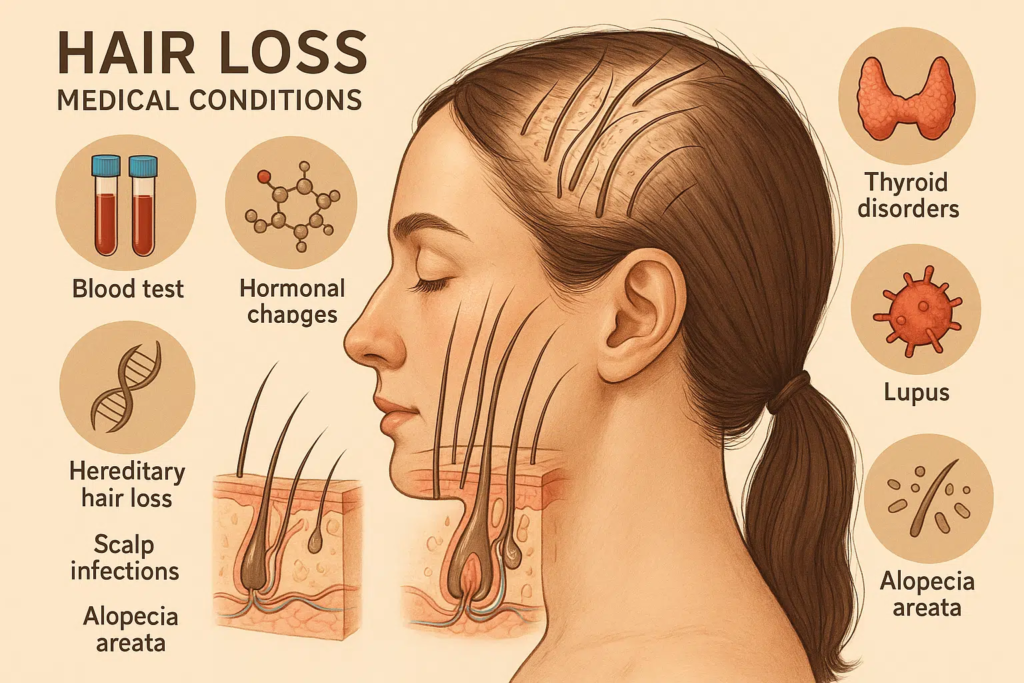
When Hair Fall Requires Medical Attention
While many cases of hair fall improve with better hair care habits, some situations require professional evaluation.
Consult a dermatologist if you experience:
- Sudden excessive hair shedding
- Bald patches
- Scalp redness or pain
- Persistent dandruff
- Noticeable hair thinning
Early diagnosis can help identify underlying medical conditions and improve treatment outcomes.
Conclusion
Hair fall is often influenced by everyday habits that many people overlook. Frequent heat styling, tight hairstyles, harsh chemical treatments, poor nutrition, and improper scalp care can all contribute to excessive hair shedding and breakage. Fortunately, making small adjustments to your routine can have a significant impact on hair health.
By avoiding these common mistakes and adopting a gentle, balanced hair care routine, you can strengthen your hair, protect your scalp, and reduce unnecessary hair fall. Healthy hair is not just about the products you use—it is also about the daily habits you follow. Consistent care, proper nutrition, and patience are key to achieving stronger, healthier, and more resilient hair over time.
You might also be interested in – Coconut Water Benefits You Should Know


