




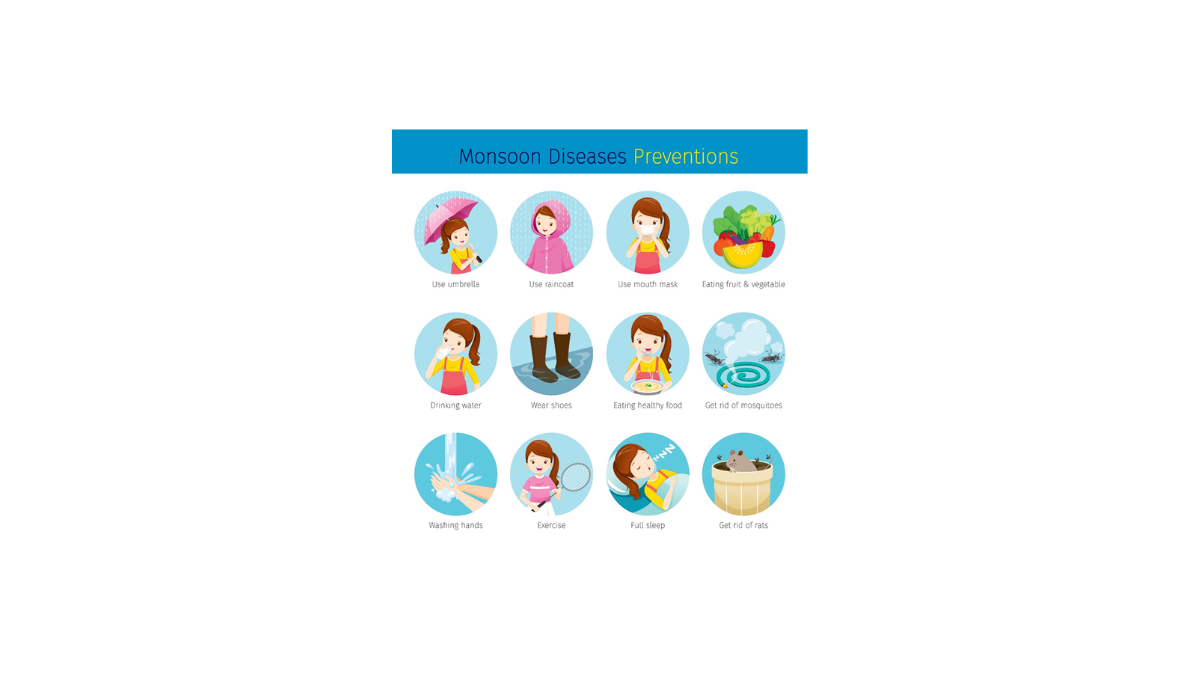
The monsoon season brings much-needed relief from scorching summer temperatures. The sight of dark clouds, the smell of wet soil, and the cool breeze make this season one of the most enjoyable times of the year. However, along with pleasant weather, monsoon also increases the risk of infections, waterborne diseases, seasonal flu, and digestive problems. The rise in humidity creates favorable conditions for bacteria, viruses, and mosquitoes to thrive, making it essential to take extra care of your health.
Following the right monsoon health tips can help you enjoy the rainy season while staying safe from common illnesses. From maintaining hygiene to eating the right foods, a few preventive measures can go a long way in keeping you healthy throughout the season.
Why Health Risks Increase During the Monsoon
The rainy season creates an environment where germs and disease-causing organisms multiply rapidly. Stagnant water becomes a breeding ground for mosquitoes, increasing the risk of dengue, malaria, and chikungunya. Contaminated water can lead to stomach infections, typhoid, and cholera.
Moreover, fluctuating temperatures and high humidity can weaken the immune system, making people more vulnerable to colds, coughs, and viral infections. This is why adopting healthy habits during the monsoon is crucial for overall well-being.
Essential Monsoon Health Tips for a Disease-Free Season
Following simple yet effective monsoon health tips can significantly reduce your chances of falling sick during the rainy season.

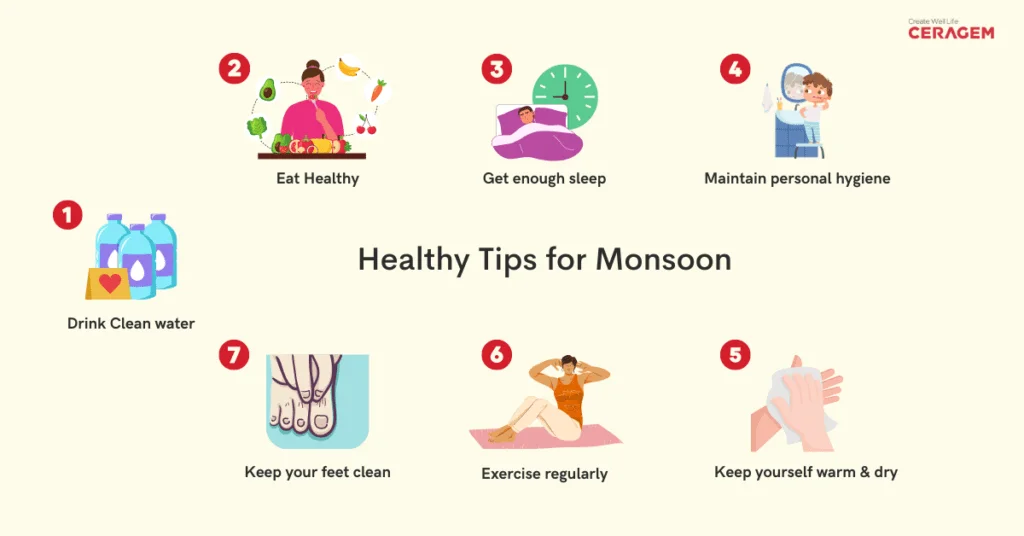
1. Drink Safe and Clean Water
Water contamination is common during monsoon due to overflowing drains and flooding. Drinking contaminated water can cause serious illnesses such as diarrhea, typhoid, and hepatitis.
To stay safe:
- Drink boiled or filtered water.
- Carry your own water bottle when traveling.
- Avoid consuming water from unknown sources.
- Clean water storage containers regularly.
Staying hydrated is important, but ensuring water purity is equally essential.
2. Maintain Personal Hygiene
One of the most effective monsoon health tips is maintaining proper hygiene. Increased moisture levels encourage bacterial and fungal growth, which can lead to skin infections and allergies.
Practice these hygiene habits:
- Wash hands frequently with soap.
- Take a bath daily and dry yourself properly.
- Keep nails trimmed and clean.
- Change wet clothes immediately.
- Use antibacterial products when necessary.
Good hygiene helps prevent infections and promotes overall health.
3. Strengthen Your Immune System
A strong immune system is your body’s first line of defense against seasonal illnesses. Including immunity-boosting foods in your daily diet can help you stay healthy during the rainy season.
Consume foods rich in:
- Vitamin C (oranges, lemons, amla)
- Zinc (nuts and seeds)
- Antioxidants (berries and leafy vegetables)
- Protein (eggs, legumes, dairy products)
Herbal teas with ginger, tulsi, and honey can also support immunity and help fight common infections.
Best Foods to Eat During the Monsoon
Diet plays a crucial role in maintaining good health during the rainy season. Choosing the right foods can improve digestion and reduce the risk of infections.
Freshly Cooked Meals
Freshly prepared food is always safer than leftovers during monsoon. Bacteria can multiply quickly in humid conditions, increasing the risk of food poisoning.
Opt for:
- Homemade soups
- Khichdi
- Steamed vegetables
- Fresh chapatis and rice
Avoid food that has been left uncovered for long periods.

Seasonal Fruits
Fruits provide essential vitamins and minerals that help strengthen immunity. However, make sure fruits are washed thoroughly before consumption.
Good choices include:
- Apples
- Pears
- Pomegranates
- Papaya
- Bananas
Avoid pre-cut fruits sold by street vendors.
Warm Beverages
Warm beverages can help maintain body temperature and improve digestion during damp weather.
Healthy options include:
- Herbal tea
- Green tea
- Ginger tea
- Turmeric milk
These drinks may also help reduce the risk of seasonal infections.
Foods to Avoid During the Monsoon
While some foods support health, others may increase the risk of illness during monsoon.
Street Food
Street food often gets exposed to rainwater, dust, and contaminated surroundings. This increases the likelihood of bacterial contamination.
Avoid:
- Chaat
- Golgappa
- Cut fruits
- Uncovered snacks
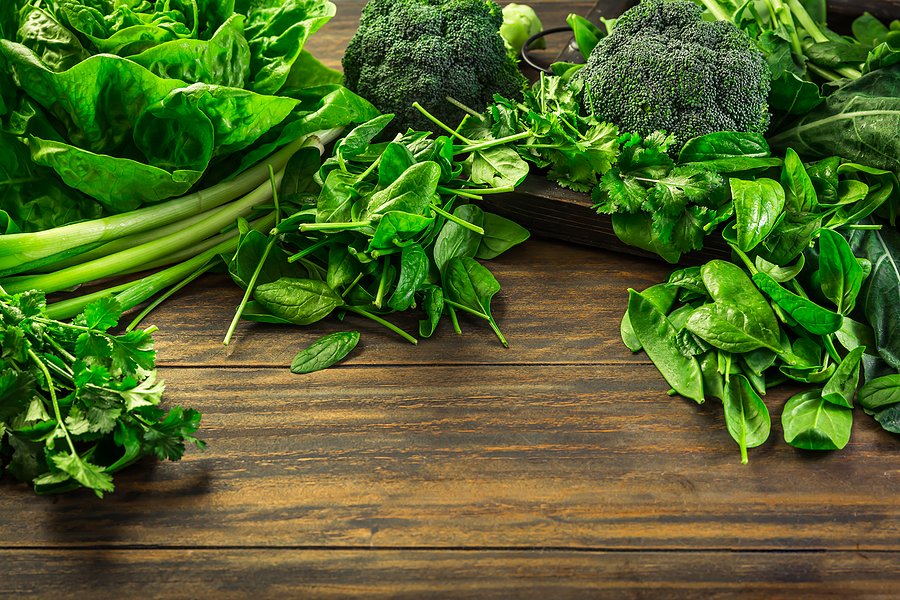
Raw Leafy Vegetables
Leafy vegetables can harbor germs, mud, and insect eggs during the rainy season. If consuming them, wash them thoroughly and cook them properly.

Seafood
Seafood spoilage is more common during monsoon due to moisture and transportation issues. Unless sourced from a trusted supplier, it is best to limit seafood consumption during this season.
Monsoon Safety Tips to Prevent Mosquito-Borne Diseases
Mosquito-borne diseases are among the biggest health concerns during monsoon. Preventive measures are essential to reduce exposure.
Eliminate Stagnant Water
Mosquitoes breed in stagnant water found in:
- Flower pots
- Coolers
- Buckets
- Drains
- Water tanks
Empty and clean these areas regularly to prevent breeding.
Use Protective Measures
To avoid mosquito bites:
- Apply mosquito repellent.
- Wear full-sleeved clothing.
- Install mosquito nets and screens.
- Use mosquito repellents at home.
These simple precautions can greatly reduce the risk of dengue and malaria.
Protecting Skin and Hair During the Monsoon
Humidity and rainwater can affect both skin and hair health.
Skin Care Tips
Excess moisture can lead to fungal infections, acne, and skin irritation.
To protect your skin:
- Keep skin clean and dry.
- Use mild cleansers.
- Avoid staying in wet clothes.
- Apply antifungal powder if necessary.


Hair Care Tips
Rainwater often contains pollutants and impurities that may damage hair.
Healthy hair practices include:
- Wash hair after getting wet in rain.
- Use a mild shampoo.
- Avoid excessive use of styling products.
- Keep the scalp clean and dry.
Proper hair care can prevent dandruff and scalp infections.
Exercise and Physical Activity During the Monsoon
Many people reduce outdoor activities during the rainy season, but regular exercise remains important.
You can stay active through:
- Indoor yoga
- Home workouts
- Stretching exercises
- Walking in covered areas
Physical activity boosts immunity, improves mood, and supports overall health.
Getting Enough Sleep
Quality sleep helps the body recover and strengthens the immune system. Poor sleep can make you more susceptible to infections.
For better sleep:
- Maintain a regular bedtime.
- Avoid heavy meals before sleeping.
- Reduce screen time at night.
- Keep your bedroom clean and comfortable.
Adults should aim for seven to eight hours of sleep each night.
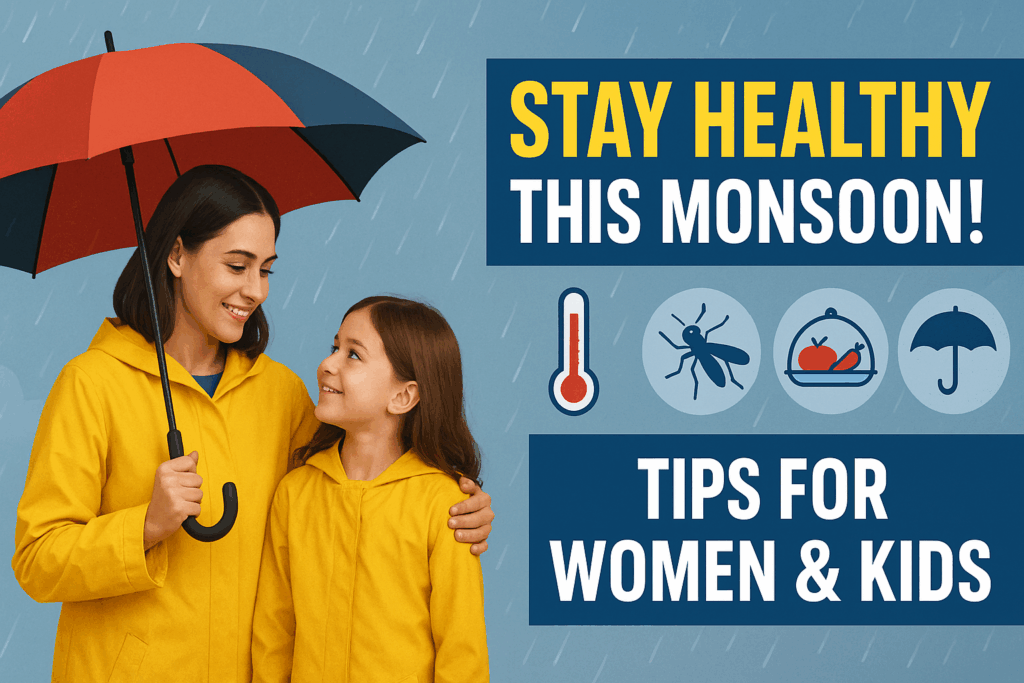
Special Monsoon Health Tips for Children and Elderly People
Children and senior citizens are more vulnerable to seasonal illnesses during monsoon.
For children:
- Ensure proper handwashing.
- Avoid puddle water.
- Provide nutritious meals.
- Keep vaccinations updated.
For elderly individuals:
- Maintain medication schedules.
- Stay hydrated.
- Avoid exposure to cold and damp conditions.
- Seek medical advice if symptoms persist.
Extra care can help prevent complications and ensure better health outcomes.

Conclusion
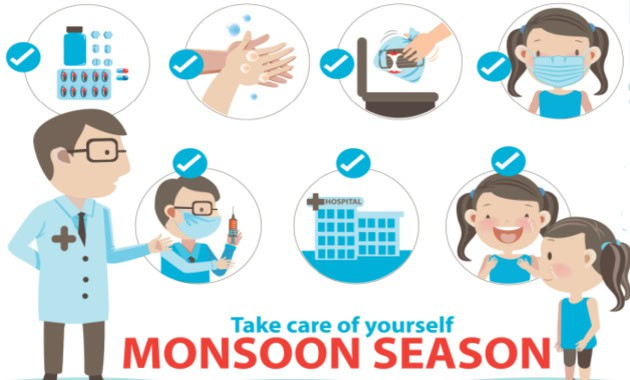
The rainy season offers a refreshing break from the heat, but it also brings several health challenges. By following these practical monsoon health tips, you can significantly reduce the risk of infections, digestive problems, and mosquito-borne diseases. Drinking clean water, maintaining hygiene, eating nutritious foods, staying physically active, and protecting yourself from mosquitoes are key steps toward staying healthy.
With a little extra care and awareness, you can fully enjoy the beauty of the monsoon while keeping yourself and your family safe. Make these healthy habits part of your daily routine and embrace the season with confidence and good health.
You might also be interested in – Self-Care Ideas for Working Women: Simple Ways to Stay Healthy, Happy, and Balanced


