



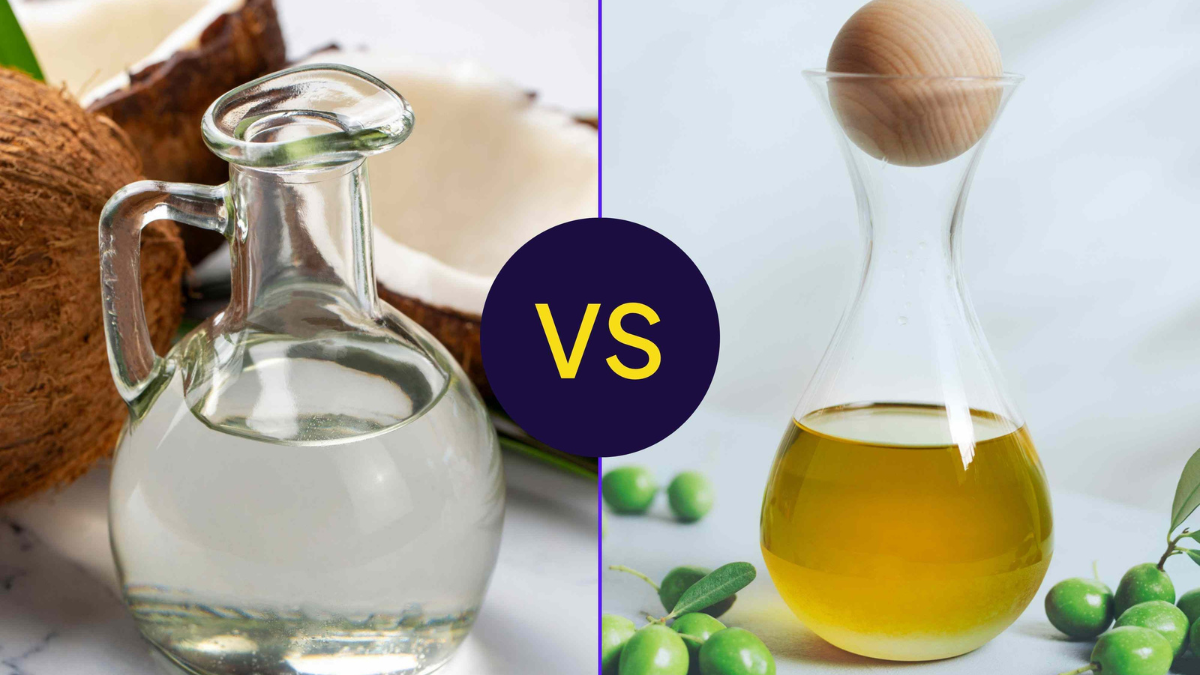
Healthy, strong, and shiny hair is a goal for many people, and natural oils have long been used as trusted remedies for improving hair health. Among the most popular options are coconut oil and olive oil. Both have been used for centuries in beauty and wellness routines, but when it comes to hair growth, many people wonder which one delivers better results.
While neither coconut oil nor olive oil can magically make hair grow overnight, they can create a healthier scalp environment, reduce hair damage, and strengthen strands, all of which contribute to better hair growth over time. Understanding the benefits, differences, and best uses of these oils can help you choose the right one for your hair care routine.
Understanding the Connection Between Hair Health and Hair Growth
Before comparing coconut oil and olive oil, it is important to understand how hair growth works. Hair grows from follicles located beneath the scalp. Genetics, age, nutrition, hormones, and overall health all influence how quickly and effectively hair grows.
While oils cannot directly increase the speed of hair production, they can:
- Nourish the scalp
- Reduce breakage
- Prevent protein loss
- Improve hair strength
- Minimize dryness and damage
When hair remains healthy and protected from damage, it often appears longer, thicker, and more vibrant, supporting overall hair growth goals.
What Makes Coconut Oil Popular for Hair Growth?
Coconut oil is extracted from mature coconuts and is rich in medium-chain fatty acids, particularly lauric acid. This unique composition allows it to penetrate deep into the hair shaft.
Benefits of Coconut Oil for Hair Growth
Reduces Protein Loss
One of coconut oil’s biggest advantages is its ability to reduce protein loss from hair. Hair is primarily made of protein, and excessive loss can lead to weak, brittle strands.
By protecting hair proteins, coconut oil helps maintain stronger hair that is less likely to break, supporting healthier hair growth.

Deeply Penetrates the Hair Shaft
Unlike many oils that simply coat the surface, coconut oil penetrates deeper into the hair structure. This helps improve moisture retention and strengthens hair from within.
Helps Prevent Breakage
Hair breakage often makes it difficult to achieve noticeable hair growth. Coconut oil reduces friction during washing and styling, lowering the risk of split ends and breakage.
Supports Scalp Health
Its natural antimicrobial properties may help maintain a cleaner scalp environment and reduce certain scalp issues that can interfere with healthy hair development.
Nutritional Components of Coconut Oil
Coconut oil contains:
- Lauric acid
- Capric acid
- Vitamin E
- Healthy fatty acids
- Antioxidants
These nutrients help improve hair texture and protect strands from environmental damage.
How Olive Oil Supports Hair Growth
Olive oil has been a beauty staple in Mediterranean cultures for centuries. Extracted from olives, it contains powerful antioxidants, vitamins, and healthy fats that nourish both the scalp and hair.
Benefits of Olive Oil for Hair Growth
Moisturizes Dry Hair
Olive oil is known for its excellent moisturizing properties. It creates a protective layer around the hair shaft that helps lock in moisture.
Well-moisturized hair is less prone to breakage, making it easier to maintain length and encourage visible hair growth.
Rich in Antioxidants
Olive oil contains antioxidants that help protect the scalp and hair follicles from oxidative stress caused by environmental pollutants and free radicals.
Soothes the Scalp
A healthy scalp plays an essential role in hair growth. Olive oil may help reduce dryness, flaking, and scalp irritation, creating a better environment for hair follicles.
Improves Hair Elasticity
Dry hair tends to snap easily. Olive oil helps improve flexibility and elasticity, reducing damage caused by styling and brushing.
Nutritional Components of Olive Oil
Olive oil contains:
- Vitamin E
- Vitamin K
- Oleic acid
- Antioxidants
- Polyphenols
- Healthy monounsaturated fats
These compounds help nourish the scalp and improve overall hair health.
Coconut Oil vs Olive Oil: Which Is Better for Hair Growth?
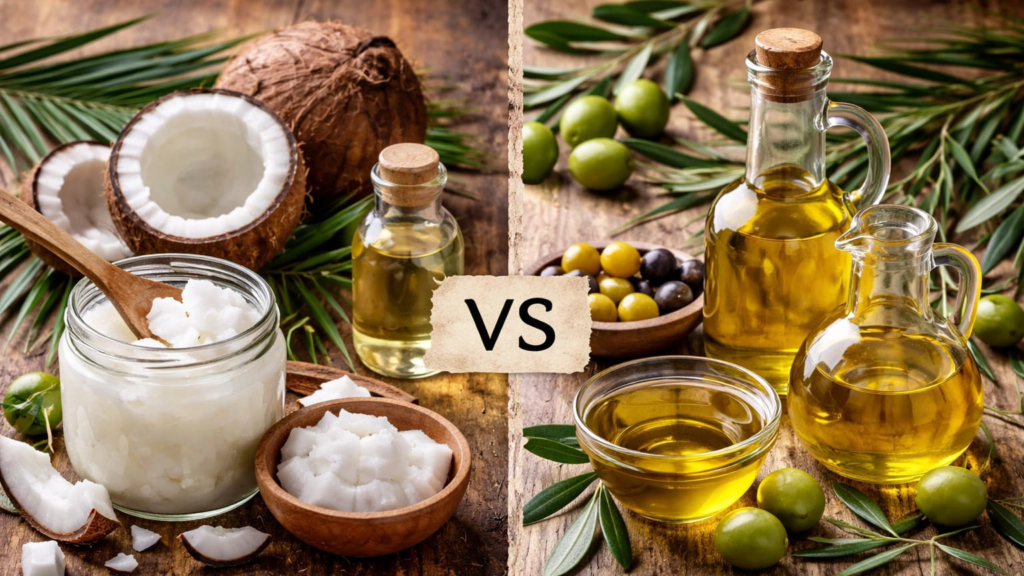
When comparing coconut oil and olive oil for hair growth, each offers unique benefits.

Coconut Oil Wins for Hair Strength
Research suggests coconut oil penetrates the hair shaft more effectively than many other oils. This helps reduce protein loss and strengthens hair from within.
For people struggling with weak, damaged, or brittle hair, coconut oil may offer superior protection against breakage, which can support better hair growth over time.
Olive Oil Wins for Moisture
If your hair is extremely dry, coarse, or frizzy, olive oil may be the better choice. Its rich moisturizing properties help soften hair and reduce dryness-related damage.
Best for Scalp Care
Both oils can benefit scalp health, but olive oil is often preferred for soothing dry scalp conditions, while coconut oil may be more effective in maintaining scalp cleanliness due to its antimicrobial characteristics.
Best for Fine Hair
People with fine or thin hair often find coconut oil lighter and easier to wash out compared to olive oil, which can sometimes feel heavy.
Best for Curly and Thick Hair
Olive oil is often favored by individuals with thick, curly, or textured hair because of its intense moisturizing ability.
Can You Combine Coconut Oil and Olive Oil?
Yes. Many hair care experts recommend combining both oils to maximize their benefits.
A simple blend can provide:
- Deep nourishment
- Improved moisture retention
- Reduced hair breakage
- Better scalp hydration
- Enhanced support for hair growth
Mix equal parts coconut oil and olive oil and apply the blend as a weekly hair mask.
How to Use Coconut Oil for Hair Growth
Pre-Wash Treatment
Apply coconut oil from roots to ends and leave it on for 30 minutes before shampooing.
Overnight Hair Mask
For deeper nourishment, leave coconut oil on overnight and wash it out the next morning.
Scalp Massage
Massage warm coconut oil into the scalp to improve circulation and support healthy hair growth.
How to Use Olive Oil for Hair Growth
Deep Conditioning Treatment
Warm a small amount of olive oil and apply it to the scalp and hair. Leave it on for 30–60 minutes before washing.
Dry Hair Remedy
Apply a few drops to the ends of dry hair to reduce frizz and split ends.
Weekly Scalp Massage
Massaging olive oil into the scalp can improve hydration and support a healthier environment for hair growth.
Other Factors That Influence Hair Growth
Even the best oils cannot compensate for poor overall hair care. For optimal hair growth, consider these additional factors:
Balanced Nutrition
Hair follicles require nutrients such as:
- Protein
- Iron
- Zinc
- Biotin
- Vitamin D
- Omega-3 fatty acids
A nutrient-rich diet supports stronger and healthier hair.
Stress Management
High stress levels can contribute to excessive hair shedding. Activities such as exercise, meditation, and adequate sleep can help maintain healthy hair cycles.
Gentle Hair Care
Avoid:
- Excessive heat styling
- Tight hairstyles
- Harsh chemical treatments
- Frequent bleaching
Protecting hair from damage helps preserve length and promotes better hair growth.
Signs an Oil Is Working for Your Hair
You may notice several improvements after regular use of coconut oil or olive oil:
- Less hair breakage
- Reduced split ends
- Improved shine
- Softer texture
- Healthier scalp
- Stronger strands
These changes can create the appearance of faster hair growth by helping hair retain its length.
Conclusion
When it comes to hair growth, both coconut oil and olive oil offer valuable benefits. Coconut oil stands out for its ability to penetrate the hair shaft, reduce protein loss, and strengthen strands from within. Olive oil excels at moisturizing dry hair, soothing the scalp, and improving hair softness.
For damaged or weak hair, coconut oil may have a slight advantage. For extremely dry, thick, or curly hair, olive oil can provide superior hydration. However, the best results often come from combining both oils as part of a consistent hair care routine.
Ultimately, healthy hair growth depends on more than just oils. A balanced diet, proper scalp care, stress management, and gentle hair practices all play important roles in achieving stronger, longer, and healthier hair.
You might also be interested in – 6 Comfort Foods That Taste Better And Feel More Wholesome With Desi Ghee