




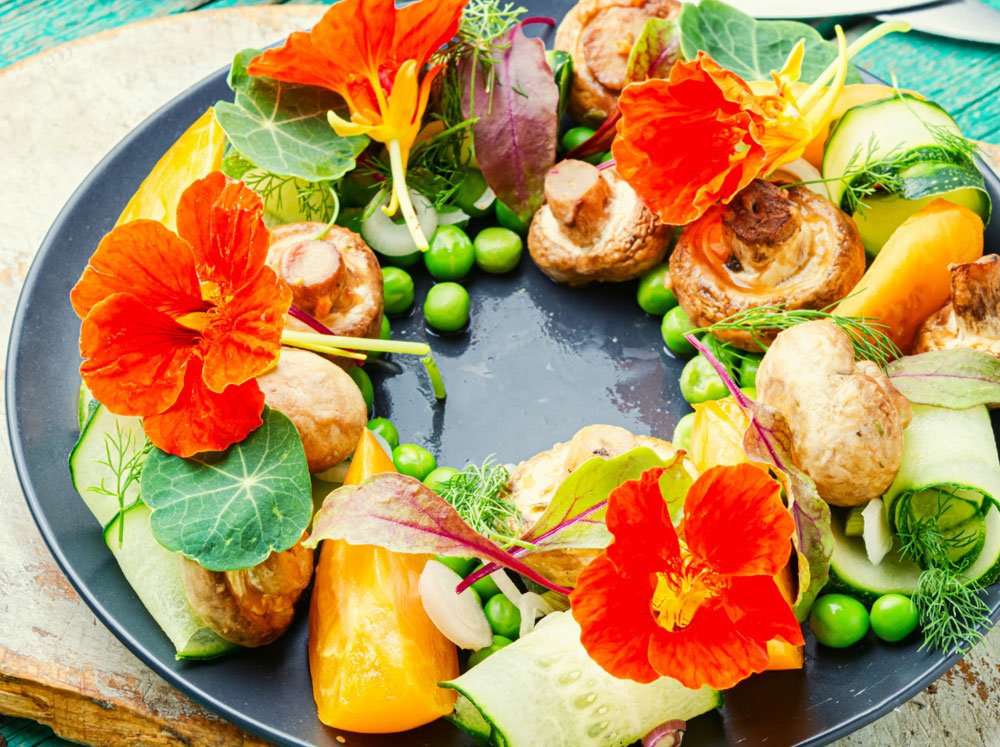
Flowers have long been admired for their beauty, fragrance, and symbolism, but their role in the culinary world is equally fascinating. Across cultures and centuries, edible flowers have been used to enhance flavors, add vibrant colors, and create unique dining experiences. From delicate desserts to savory delicacies, flowers can transform ordinary dishes into extraordinary culinary creations.
Today, edible flowers are gaining popularity among chefs, food enthusiasts, and health-conscious consumers. Not only do they bring elegance to a plate, but many also offer nutritional benefits, including antioxidants, vitamins, and anti-inflammatory properties.
Here are five delicious foods where flowers take center stage and prove that nature’s blooms are much more than decorative elements.
Why Flowers Are Used in Delicious Foods
Before diving into specific dishes, it’s worth understanding why edible flowers have become such a popular ingredient. Flowers can enhance food in several ways:
- Add natural color and visual appeal.
- Introduce unique flavors ranging from sweet and floral to spicy and citrusy.
- Provide natural aromas that elevate the dining experience.
- Offer nutritional benefits, including antioxidants and vitamins.
Many cultures have long embraced flowers in their culinary traditions, proving that these ingredients are much more than decorative garnishes.
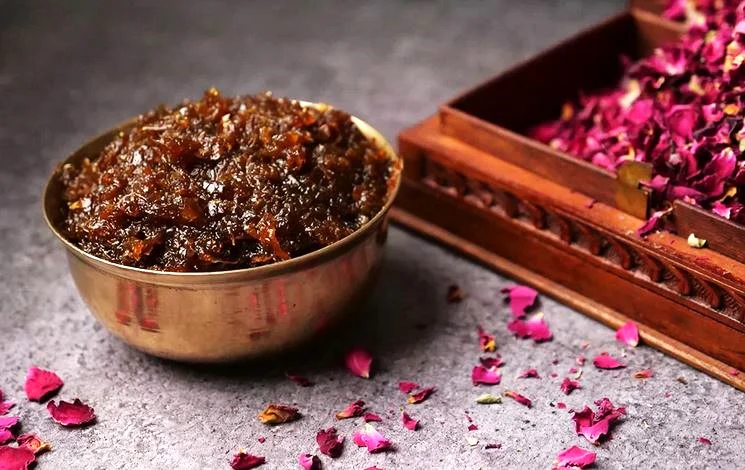
1. Rose Petal Jam (Gulkand)
One of the most beloved flower-based foods in South Asia is Gulkand, a sweet preserve made from fragrant rose petals and sugar. Traditionally prepared using Damask roses, this delicacy has been enjoyed for centuries for its delightful taste and cooling properties.
Why It’s Special
The process of making Gulkand involves layering fresh rose petals with sugar and allowing them to mature naturally under sunlight. Over time, the petals release their aroma and flavor, creating a rich, fragrant jam.
How It’s Used
- Spread on bread or toast
- Mixed into milk or desserts
- Added to ice cream
- Used as a filling in sweets and pastries
- Consumed directly as a refreshing treat
Health Benefits
Rose petals contain antioxidants and are believed to aid digestion and help cool the body during hot weather. Gulkand is often included in traditional wellness practices for its soothing effects.
The floral aroma and naturally sweet flavor make rose petal jam one of the finest examples of flowers shining as the main ingredient.

2. Lavender Shortbread Cookies
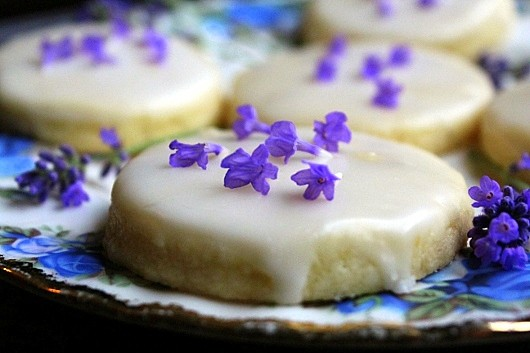
Lavender is commonly associated with aromatherapy and gardens, but it also creates a wonderfully unique culinary experience. Lavender shortbread cookies combine buttery richness with the delicate floral notes of dried lavender blossoms.
Why It’s Special
Lavender adds a subtle sweetness and fragrance that complements baked goods beautifully. When used in moderation, it provides a sophisticated flavor profile without overpowering the dish.
Ingredients Typically Include
- Butter
- Flour
- Sugar
- Culinary-grade lavender buds
- Vanilla extract
Flavor Profile
These cookies offer a balance of:
- Floral notes
- Mild sweetness
- Buttery richness
- Herbal undertones
Perfect Occasions
Lavender cookies are popular for:
- Afternoon tea
- Garden parties
- Wedding dessert tables
- Holiday gifting
Their elegant appearance and unique flavor make them a favorite among gourmet bakers and dessert lovers.

3. Squash Blossom Fritters
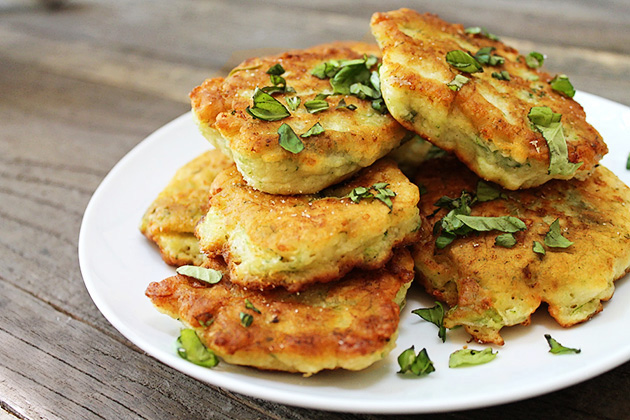
A staple in Mediterranean and Mexican cuisine, squash blossoms are among the most versatile edible flowers. These bright yellow-orange blooms from zucchini and squash plants are prized for their delicate texture and mild flavor.
Why It’s Special
Squash blossoms are large enough to be stuffed, battered, and fried, making them ideal for savory dishes. Their flavor is subtle, slightly sweet, and reminiscent of fresh vegetables.
Traditional Preparation
The blossoms are often filled with:
- Ricotta cheese
- Mozzarella
- Herbs
- Spices
They are then dipped in a light batter and fried until crispy and golden.
Culinary Appeal
The contrast between the crispy exterior and soft, flavorful filling creates an irresistible combination.
Popular Variations
- Stuffed squash blossoms
- Tempura-style blossoms
- Baked blossoms
- Blossom tacos
- Blossom quesadillas
These fritters demonstrate how flowers can become the centerpiece of a savory dish rather than simply serving as decoration.

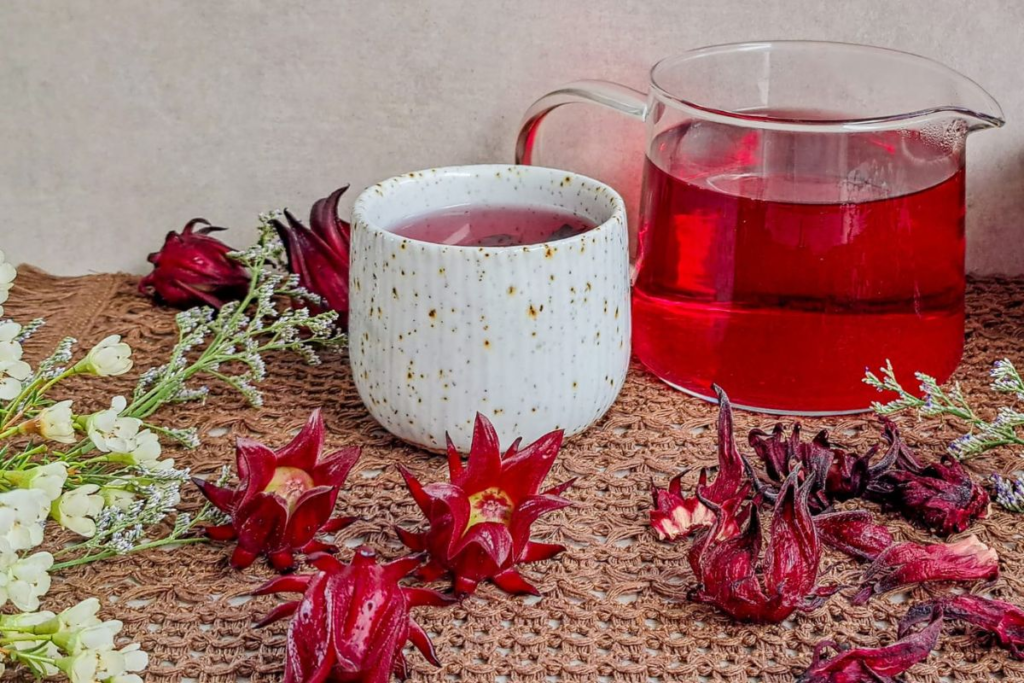
4. Hibiscus Tea and Hibiscus Jelly
The vibrant crimson petals of hibiscus flowers have been used in beverages and desserts worldwide. Their tart, cranberry-like flavor makes them incredibly versatile.
Why It’s Special
Hibiscus flowers provide both stunning color and refreshing flavor. Their naturally tangy taste works well in sweet and savory applications.
Hibiscus Tea
One of the most popular uses of hibiscus is herbal tea.
The dried petals are steeped in hot water, producing a ruby-red beverage that can be enjoyed:
- Hot
- Chilled
- Sweetened
- Unsweetened
Hibiscus Jelly
Hibiscus jelly transforms the flower into a spreadable delicacy.
The petals are cooked with:
- Sugar
- Citrus juice
- Pectin
The result is a bright, flavorful jelly that pairs wonderfully with:
- Toast
- Scones
- Yogurt
- Cheese boards
Health Benefits
Hibiscus contains antioxidants and has become popular among health-conscious consumers looking for flavorful alternatives to sugary drinks.
Its bold color and refreshing taste make hibiscus one of the most recognizable edible flowers around the world.

5. Elderflower Syrup and Desserts
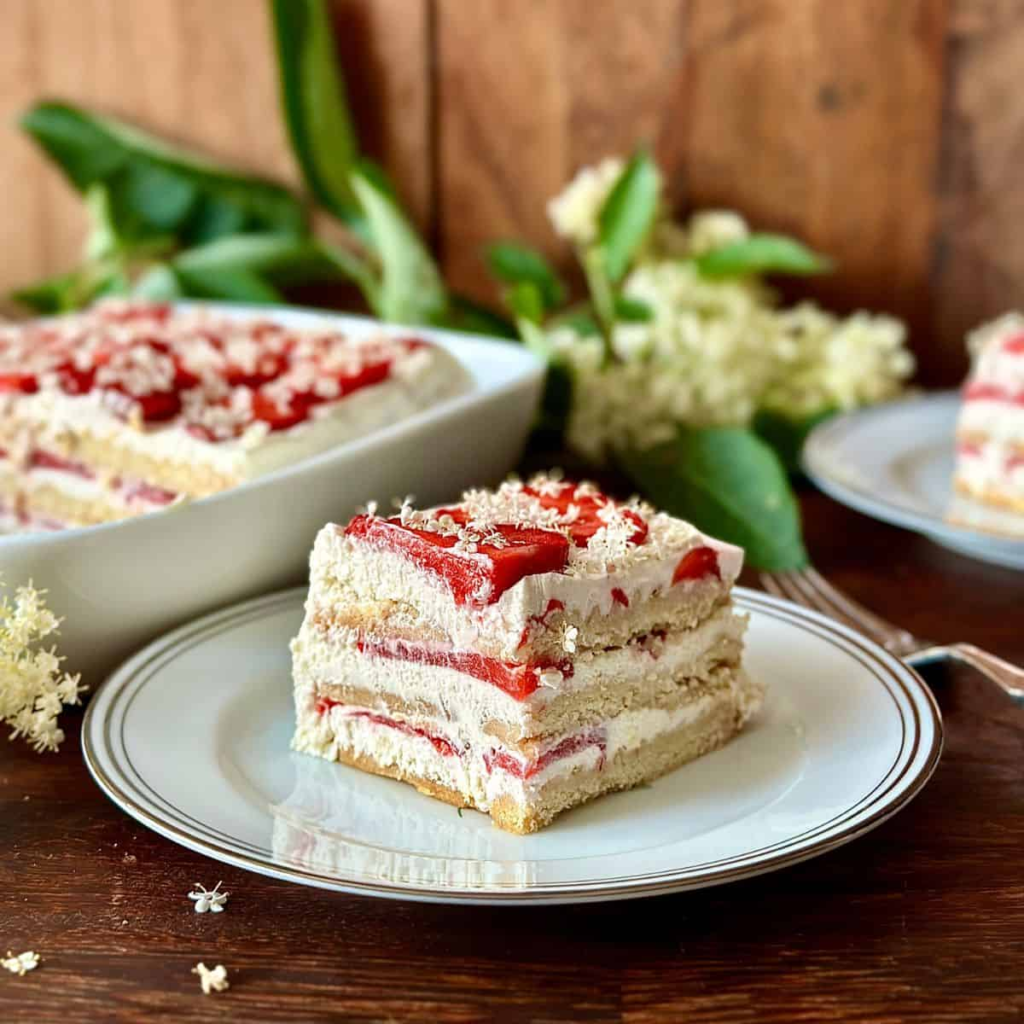
Elderflowers are tiny cream-colored blossoms that produce a sweet, delicate aroma unlike any other edible flower. Widely used throughout Europe, elderflowers create elegant syrups, beverages, and desserts.
Why It’s Special
Elderflower has a light floral flavor with hints of pear, citrus, and honey. Its subtle sweetness allows it to blend beautifully into a variety of recipes.
Elderflower Syrup
The flowers are steeped in sugar syrup to create a fragrant concentrate used in:
- Lemonades
- Cocktails
- Mocktails
- Sparkling water
- Desserts
Popular Desserts
Elderflower is frequently featured in:
- Cakes
- Sorbets
- Ice creams
- Custards
- Cheesecakes
A Royal Favorite
Elderflower gained international attention when it was featured in the wedding cake of Prince Harry and Meghan Markle, introducing many people to its delicate flavor.
The flower’s elegance and versatility continue to inspire pastry chefs around the world.

Why Edible Flowers Are Becoming More Popular
Modern diners are increasingly interested in foods that offer unique flavors, natural ingredients, and visually appealing presentations. Edible flowers satisfy all three criteria.
Visual Appeal
Flowers instantly elevate the appearance of any dish. Their vibrant colors create a memorable dining experience that is highly shareable on social media.
Unique Flavors
Each flower contributes its own distinctive taste:
- Roses offer sweetness and fragrance.
- Lavender provides herbal floral notes.
- Hibiscus delivers tartness.
- Elderflower brings delicate sweetness.
- Squash blossoms add mild vegetal flavors.
Nutritional Benefits
Many edible flowers contain:
- Antioxidants
- Vitamins
- Minerals
- Anti-inflammatory compounds
Although they are typically consumed in small quantities, they can contribute to a more diverse and nutrient-rich diet.
Tips for Using Edible Flowers Safely
Before experimenting with edible flowers, keep these important guidelines in mind:
Use Only Edible Varieties
Not all flowers are safe to eat. Always verify that a flower is specifically recognized as edible.
Avoid Pesticides
Use flowers grown for culinary purposes or from trusted organic sources.
Wash Thoroughly
Rinse flowers gently to remove dirt and insects before use.
Consume in Moderation
Some flowers have strong flavors and should be used sparingly until you become familiar with their taste.
Final Thoughts
Flowers are far more than decorative accents. Across continents and culinary traditions, they have become essential ingredients that add beauty, flavor, aroma, and character to countless dishes. Whether it’s the sweet richness of rose petal jam, the elegant fragrance of lavender cookies, the savory delight of squash blossom fritters, the vibrant tang of hibiscus, or the delicate sweetness of elderflower desserts, these floral creations showcase the remarkable versatility of edible blooms.
As more people explore creative cooking and natural ingredients, flower-based foods continue to bloom in popularity. They remind us that some of the most extraordinary flavors can come from nature’s most beautiful creations. 🌸🍽️✨
You might also be interested in – 5 Indoor Plants That Keep Your Home Cool Naturally


