



In today’s fast-paced world, many people become so busy with work, family responsibilities, and daily commitments that they overlook their health. While an occasional late night or unhealthy meal may not seem harmful, consistently making poor lifestyle choices can have a significant impact on physical and mental well-being. The challenge is that the effects of unhealthy habits often develop gradually, making them easy to ignore until they become serious problems.
An unhealthy lifestyle can affect energy levels, mood, productivity, sleep quality, and even long-term health. Recognizing the warning signs early can help you make positive changes before more severe health issues arise. Understanding these indicators is the first step toward creating healthier habits and improving overall quality of life.
What Does an Unhealthy Lifestyle Mean?
An unhealthy lifestyle refers to a pattern of behaviors that negatively impact health over time. These habits may include poor nutrition, lack of physical activity, inadequate sleep, excessive stress, smoking, excessive alcohol consumption, and prolonged screen time.
Many people assume that serious health problems are the only signs of poor health habits. However, the body often sends subtle signals long before major illnesses develop. Paying attention to these warning signs can help prevent future complications and encourage healthier choices.
Common Signs of an Unhealthy Lifestyle
One of the most noticeable indicators is a constant feeling of fatigue. If you regularly wake up feeling tired despite getting enough hours of sleep, your lifestyle habits may be affecting your energy levels. Poor nutrition, lack of exercise, dehydration, and stress can all contribute to ongoing exhaustion.
Frequent headaches are another common sign. While headaches can occur for various reasons, they are often linked to dehydration, poor sleep, excessive screen exposure, and unhealthy eating habits. If headaches become a regular occurrence, it may be time to evaluate your daily routine.
Another warning signal is difficulty concentrating. Brain fog, forgetfulness, and reduced focus can result from inadequate sleep, poor dietary choices, and chronic stress. When the brain lacks proper nutrition and rest, cognitive performance often suffers.
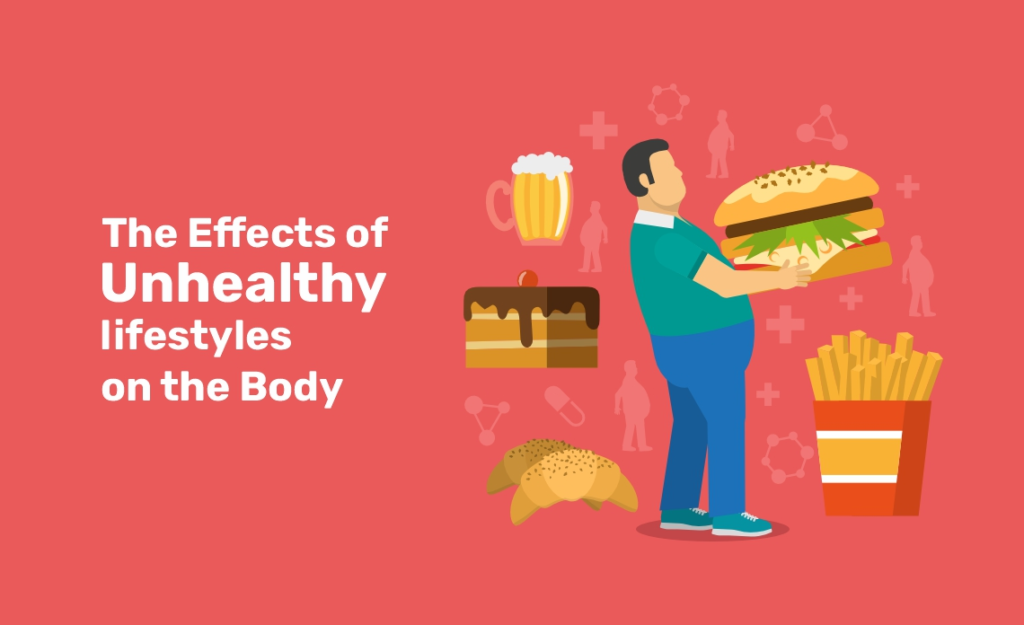
Physical Symptoms of an Unhealthy Lifestyle
The body often reflects lifestyle choices through physical symptoms. Weight gain or sudden weight fluctuations can indicate poor dietary habits and insufficient physical activity. Excessive consumption of processed foods, sugary beverages, and fast food can contribute to unwanted weight changes.
Digestive problems are also common among individuals living an Unhealthy Lifestyle. Frequent bloating, constipation, indigestion, or stomach discomfort may result from poor food choices, lack of fiber, inadequate hydration, and irregular eating patterns.
Another physical sign is weakened immunity. If you frequently catch colds, infections, or other illnesses, your immune system may not be functioning optimally. Poor sleep, chronic stress, and nutrient deficiencies can weaken the body’s natural defenses.
Skin problems can also serve as warning signals. Acne breakouts, dull skin, dryness, and premature aging may be linked to poor nutrition, dehydration, stress, and inadequate sleep. Healthy lifestyle habits often contribute to clearer and more radiant skin.
How an Unhealthy Lifestyle Affects Mental Health
An Unhealthy Lifestyle doesn’t only impact physical health—it can also affect emotional and mental well-being. Many people underestimate the connection between daily habits and mental health.
Persistent stress is one of the most common signs. While occasional stress is normal, chronic stress can lead to anxiety, irritability, mood swings, and emotional exhaustion. Without proper stress management, long-term health consequences may develop.
Sleep disturbances are another important indicator. Difficulty falling asleep, staying asleep, or waking up frequently during the night can be linked to excessive screen time, poor sleep habits, and high stress levels.
People living an unhealthy lifestyle may also experience reduced motivation and decreased interest in activities they once enjoyed. Low energy levels and poor mental health often create a cycle that becomes increasingly difficult to break.
Poor Eating Habits That Signal Trouble
Diet plays a major role in overall health. Certain eating habits can indicate that your lifestyle needs improvement.
Skipping meals regularly is one example. Many individuals skip breakfast or delay meals due to busy schedules. This can lead to energy crashes, overeating later in the day, and nutritional deficiencies.
Frequent cravings for sugary snacks and processed foods may also signal an imbalance in nutrition. Diets high in refined sugar can contribute to weight gain, fatigue, and increased risk of chronic diseases.
Another warning sign is inadequate water intake. Dehydration can cause headaches, fatigue, dizziness, and reduced concentration. Many people mistake thirst for hunger, leading to unnecessary calorie consumption.
Overeating, emotional eating, and relying heavily on fast food are additional indicators that dietary habits may need attention.

Lack of Physical Activity and Its Consequences
Modern lifestyles often involve long hours of sitting at desks, working on computers, or using mobile devices. Physical inactivity has become increasingly common and poses significant health risks.
If you become short of breath after climbing a few stairs or performing simple physical tasks, it may indicate low fitness levels. Regular exercise helps improve cardiovascular health, muscle strength, and endurance.
Muscle stiffness and joint discomfort can also result from prolonged inactivity. Movement is essential for maintaining flexibility and supporting healthy circulation.
A lack of exercise may contribute to weight gain, reduced energy levels, poor sleep quality, and an increased risk of chronic conditions such as heart disease and type 2 diabetes.
Sleep Problems and Lifestyle Habits
Quality sleep is essential for physical recovery, mental clarity, and emotional balance. Unfortunately, many lifestyle habits interfere with healthy sleep patterns.
Excessive screen time before bed exposes the brain to blue light, which can disrupt natural sleep cycles. Consuming caffeine late in the day may also make it difficult to fall asleep.
People living an unhealthy lifestyle often experience irregular sleep schedules. Going to bed and waking up at different times each day can affect the body’s internal clock, leading to fatigue and reduced productivity.
Chronic sleep deprivation is associated with increased stress, impaired memory, weakened immunity, and higher risks of various health conditions.
Long-Term Risks of an Unhealthy Lifestyle
Ignoring the warning signs of poor lifestyle habits can lead to serious health problems over time. Conditions such as obesity, high blood pressure, heart disease, diabetes, and certain cancers are often linked to long-term unhealthy behaviors.
Mental health challenges may also worsen if unhealthy habits persist. Anxiety, depression, and burnout are frequently associated with chronic stress, poor sleep, and inadequate self-care.
The good news is that many of these risks can be reduced through positive lifestyle changes. Even small improvements can have a meaningful impact on overall health.

How to Improve Your Lifestyle
Recognizing unhealthy habits is the first step toward positive change. Start by focusing on simple, manageable goals rather than attempting drastic transformations overnight.
Prioritize balanced meals rich in fruits, vegetables, whole grains, lean proteins, and healthy fats. Stay hydrated throughout the day and limit processed foods whenever possible.
Incorporate regular physical activity into your routine. Even a daily 30-minute walk can provide significant health benefits.
Establish a consistent sleep schedule and create a relaxing bedtime routine. Reducing screen time before bed can also improve sleep quality.
Finally, make time for stress management through activities such as meditation, yoga, hobbies, or spending time with loved ones.
Conclusion
The signs of an unhealthy lifestyle often appear gradually, making them easy to overlook. Constant fatigue, poor sleep, digestive issues, frequent illness, weight changes, and chronic stress are all important warning signals that should not be ignored. By identifying these signs early and making healthier choices, you can improve both physical and mental well-being.
Small lifestyle changes made consistently can lead to lasting improvements in health, energy, and overall quality of life. Paying attention to your body’s signals today can help prevent more serious health challenges in the future.
You might also be interested in – One-Pot Mixed Fruit Jam Recipe: How To Make Delicious Homemade Jam Easily
