




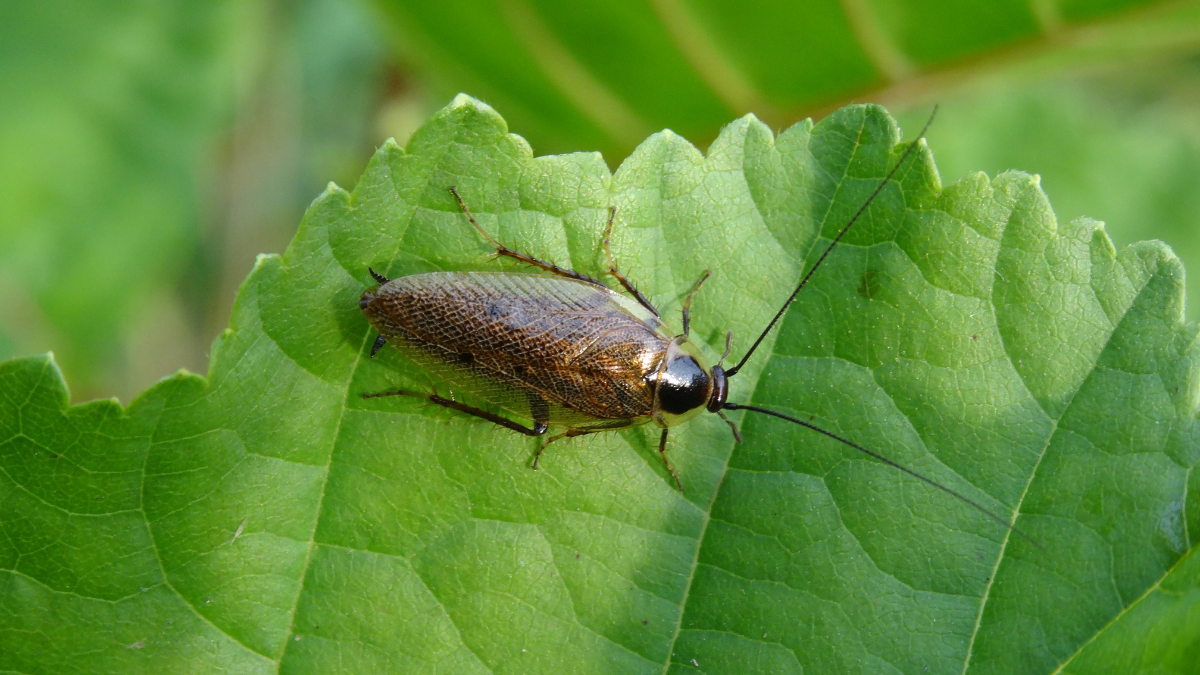
Few household pests are as unwelcome as cockroaches. These resilient insects can invade kitchens, bathrooms, storage areas, and even living spaces in search of food, water, and shelter. Besides being unpleasant to look at, cockroaches can contaminate food, trigger allergies, and spread bacteria throughout the home.
While chemical pesticides are commonly used to control infestations, many homeowners are now looking for safer and more eco-friendly alternatives. One natural approach involves growing certain plants that contain fragrances and compounds believed to repel cockroaches and other insects. Although plants alone may not eliminate a severe infestation, they can help discourage pests and complement good sanitation practices.
Here are seven plants that may help keep cockroaches away naturally while also adding beauty and freshness to your home.
Why Cockroaches Enter Homes
Before exploring natural solutions, it helps to understand why cockroaches are attracted to homes in the first place.
Common reasons include:
- Easy access to food crumbs
- Moisture and standing water
- Warm hiding places
- Unsealed cracks and gaps
- Overflowing garbage bins
Maintaining a clean environment remains the most effective way to prevent cockroaches, but certain plants may provide an additional layer of protection.
How Plants May Help Repel Cockroaches
Many aromatic plants produce essential oils and natural compounds that insects find unpleasant. These strong scents can interfere with the sensory systems of cockroaches, making treated areas less attractive.
Some plants are also known to repel other common pests such as mosquitoes, flies, ants, and moths, offering multiple benefits for households.

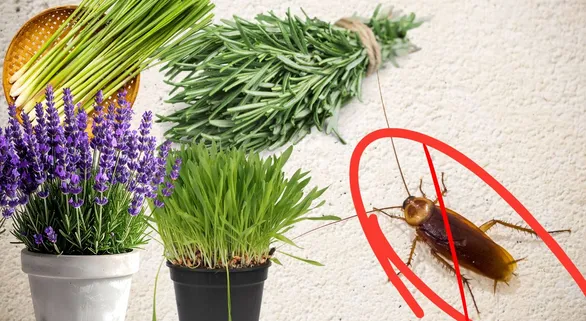
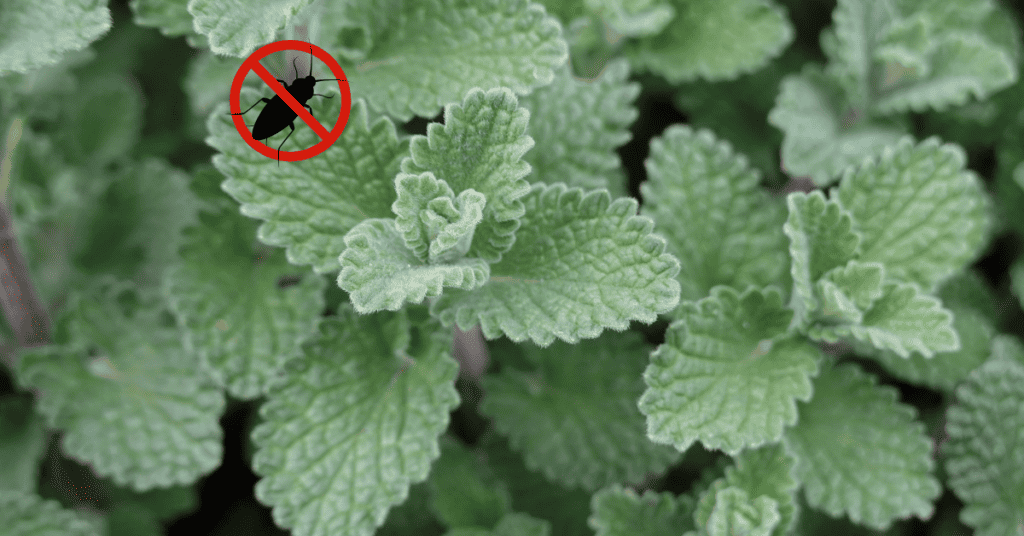
1. Mint
Mint is one of the most widely recommended plants for naturally discouraging cockroaches.
Why Cockroaches Dislike Mint
Mint contains menthol and other aromatic compounds that create a strong scent. While humans often find the fragrance refreshing, many insects, including cockroaches, tend to avoid it.
How to Use Mint
- Grow mint in pots near windows and doorways.
- Place fresh mint leaves in kitchen corners.
- Use diluted mint oil in spray form around entry points.
Mint is easy to grow and thrives both indoors and outdoors.
2. Lavender
Lavender is famous for its calming fragrance and beautiful purple flowers. It is also considered a natural deterrent for several pests, including cockroaches.
Benefits of Lavender Against Cockroaches
The strong scent produced by lavender contains compounds that many insects find overwhelming.
In addition to helping repel cockroaches, lavender may also discourage:
- Mosquitoes
- Moths
- Fleas
- Certain flies
Growing Lavender at Home
Place lavender pots near sunny windows or entrances. Dried lavender sachets can also be placed inside cupboards and storage areas.
3. Catnip
Catnip belongs to the mint family and contains a natural compound called nepetalactone.
Why Catnip May Repel Cockroaches
Studies have suggested that nepetalactone can act as a natural insect repellent. While catnip is beloved by cats, many pests, including cockroaches, tend to avoid its scent.
Best Ways to Use Catnip
- Grow it in containers around the house.
- Dry the leaves and place them near pest-prone areas.
- Prepare a mild catnip spray for household use.
Catnip is relatively easy to maintain and grows quickly under proper conditions.

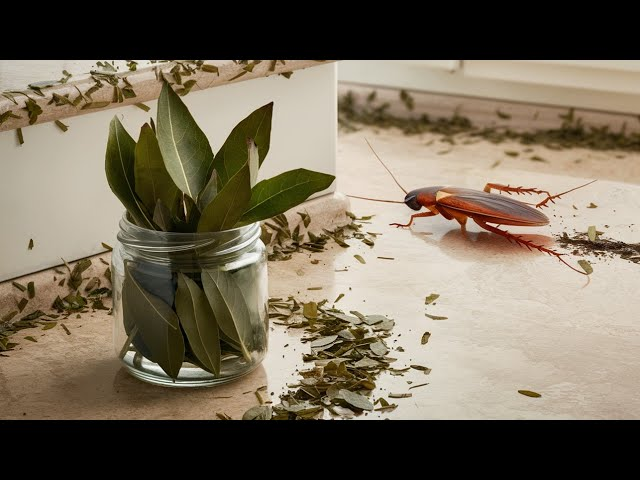
4. Bay Laurel
Bay laurel, commonly known for its culinary uses, may also help discourage cockroaches.
How Bay Leaves Affect Cockroaches
Unlike chemical insecticides, bay leaves do not kill cockroaches. However, their strong aroma may encourage these pests to stay away from treated areas.
Where to Place Bay Leaves
You can place dried bay leaves:
- Inside kitchen cabinets
- Near food storage containers
- Behind appliances
- In pantry shelves
Many homeowners use bay leaves as a simple and inexpensive natural pest-control measure.

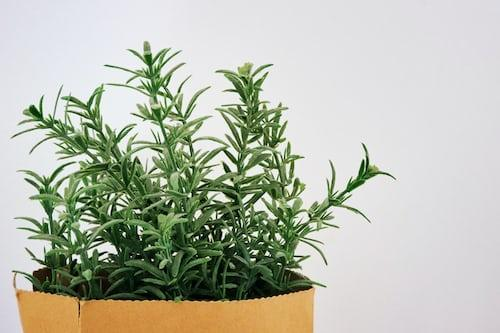
5. Rosemary
Rosemary is another fragrant herb that may help keep cockroaches away while enhancing your indoor garden.
Rosemary’s Natural Protective Properties
The strong woody aroma of rosemary comes from essential oils that many insects dislike.
In addition to discouraging cockroaches, rosemary may help repel:
- Mosquitoes
- Certain beetles
- Some flying insects
Growing Rosemary Indoors
Rosemary thrives in bright sunlight and well-drained soil. Keeping a few pots near windows and entryways may help create a less inviting environment for pests.

6. Chrysanthemums
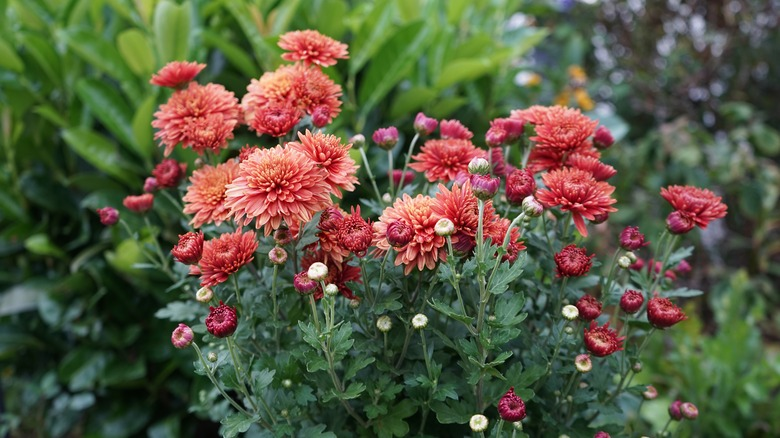
Chrysanthemums are colorful flowering plants known for containing natural insect-repelling compounds.
Why Chrysanthemums Are Effective
These flowers contain pyrethrins, compounds that are widely used in many natural insect-control products.
Although live plants may not completely eliminate cockroaches, they can contribute to a broader pest-management strategy.
Additional Benefits
Chrysanthemums can brighten indoor and outdoor spaces while potentially helping to deter:
- Ants
- Fleas
- Ticks
- Certain flying insects
Their decorative appeal makes them a popular choice for gardens and balconies.

7. Lemongrass
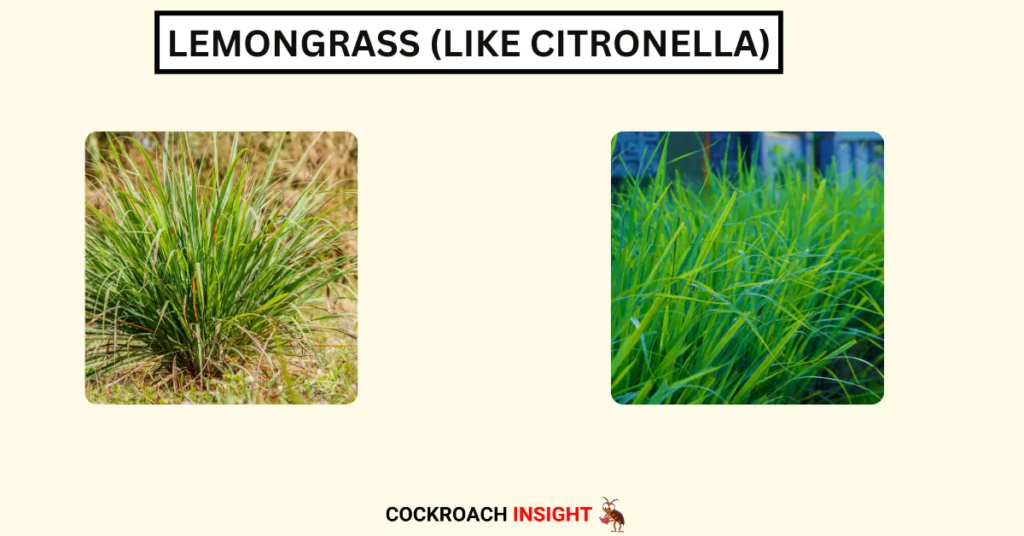
Lemongrass is known for its fresh citrus fragrance and high concentration of citronella.
How Lemongrass May Help Repel Cockroaches
The strong scent of citronella can make certain environments less appealing to cockroaches and other insects.
Ways to Use Lemongrass
- Grow it near entrances.
- Keep potted plants on balconies.
- Use natural lemongrass oil sprays around the home.
Besides its pest-repelling potential, lemongrass is also widely used in cooking and herbal teas.
Additional Natural Ways to Prevent Cockroaches
While these plants may help discourage cockroaches, combining them with proper household maintenance will produce better results.
Keep Your Home Clean
Regularly:
- Sweep floors
- Wipe kitchen counters
- Clean food spills immediately
- Wash dishes promptly
Food residue is one of the primary attractants for cockroaches.
Eliminate Moisture Sources
Cockroaches require water to survive. Fix leaking pipes, remove standing water, and ensure good ventilation in damp areas.
Seal Entry Points
Inspect your home for:
- Cracks in walls
- Gaps around doors
- Openings near pipes
- Damaged window screens
Blocking access points can significantly reduce the likelihood of cockroaches entering your home.
Store Food Properly
Use airtight containers for:
- Cereals
- Flour
- Rice
- Pet food
- Snacks
Proper storage limits food availability for cockroaches.
Are Plants Enough to Eliminate Cockroaches?
It is important to understand that plants alone are unlikely to solve a serious cockroaches infestation. Their primary role is prevention and deterrence rather than complete extermination.
If you notice:
- Large numbers of cockroaches
- Egg cases
- Persistent infestations
- Frequent sightings during daylight
You may need professional pest-control assistance in addition to natural methods.
Benefits of Using Plants for Pest Control
Many homeowners appreciate plant-based solutions because they offer several advantages:
- Environmentally friendly
- Chemical-free
- Safe around children when properly managed
- Pleasant fragrance
- Decorative value
- Additional benefits for air quality and gardening enjoyment
Using plants as part of an integrated pest management strategy can help reduce dependence on harsh chemicals.
Conclusion
Keeping cockroaches away naturally is possible when you combine good hygiene practices with strategic use of pest-repelling plants. Mint, lavender, catnip, bay laurel, rosemary, chrysanthemums, and lemongrass are among the most popular options that may help create an environment that cockroaches find less appealing.
Although these plants are not guaranteed to eliminate an infestation, they can serve as useful natural deterrents while enhancing the beauty and freshness of your home. By maintaining cleanliness, eliminating moisture, sealing entry points, and incorporating these aromatic plants into your living space, you can significantly reduce the chances of unwanted cockroaches becoming permanent guests in your home.
You might also be interested – 5 Delicious Foods Where Flowers Are the Star Ingredient in –


